1917: Year of stalemate
In 1917, Germany adopted a defensive strategy on the Western Front to counter the growing strength of the Allies. Despite launching several offensives, and suffering heavy casualties, the Allies achieved mixed results. A breakthrough remained elusive, but experiments in new fighting methods hinted at a possible end to the deadlock.
German withdrawal
Efforts to contain the Allied offensives of 1916 proved costly for the Germans. Their high command therefore decided on a defensive strategy for 1917.
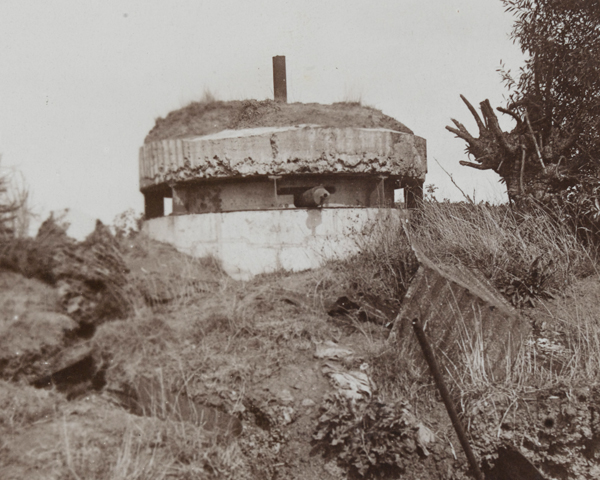
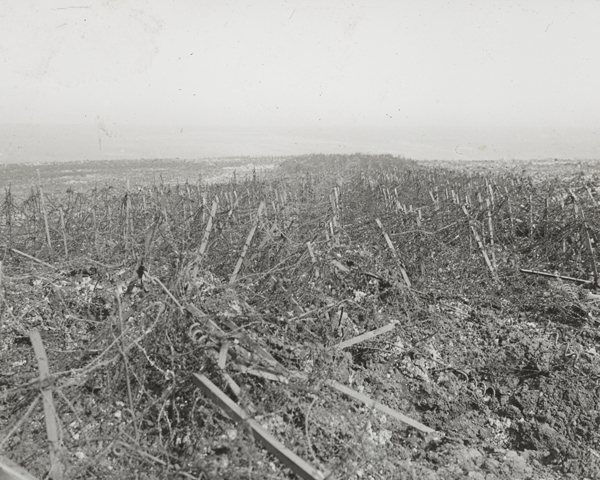
Between February and April, they withdrew to a new fortified position known as the Hindenburg Line. Significantly shorter, and protected with pillboxes and deep belts of wire, it gave the Germans a stronger position to defend.
During their withdrawal, the Germans destroyed buildings, wells and watercourses, roads and railways. This prevented the Allies from fully exploiting the abandoned ground.
Allied plans
Initially, the Allies had planned a joint offensive with the Russians in the Spring. But, following revolution in February 1917, Russia withdrew its commitment to attack on the Eastern Front.
In March, the French instead opted to advance along the River Aisne. France’s new commander-in-chief, General Robert Nivelle, was convinced this would deliver a war-winning breakthrough.
The German withdrawal to the Hindenburg Line temporarily disrupted Nivelle’s plans. But the Allies eventually agreed that the British would launch a diversionary attack at Arras, drawing German troops away from the Aisne and assisting the French attack.
Arras
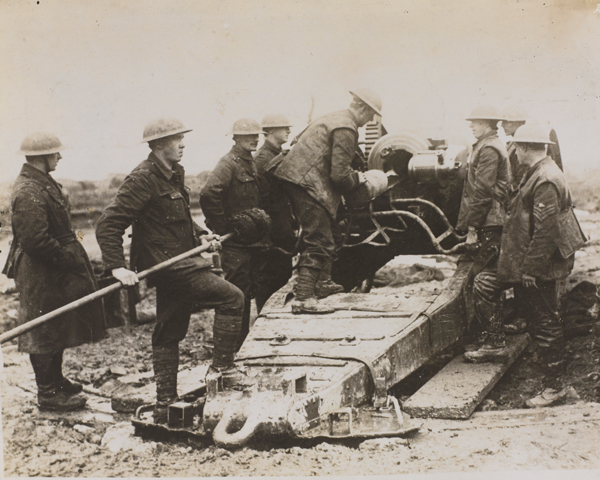
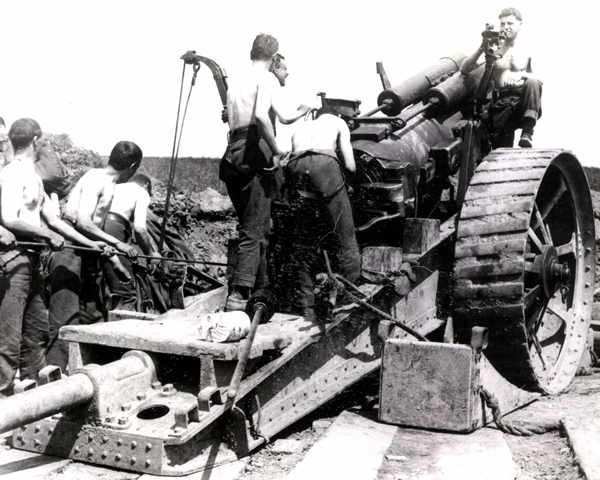
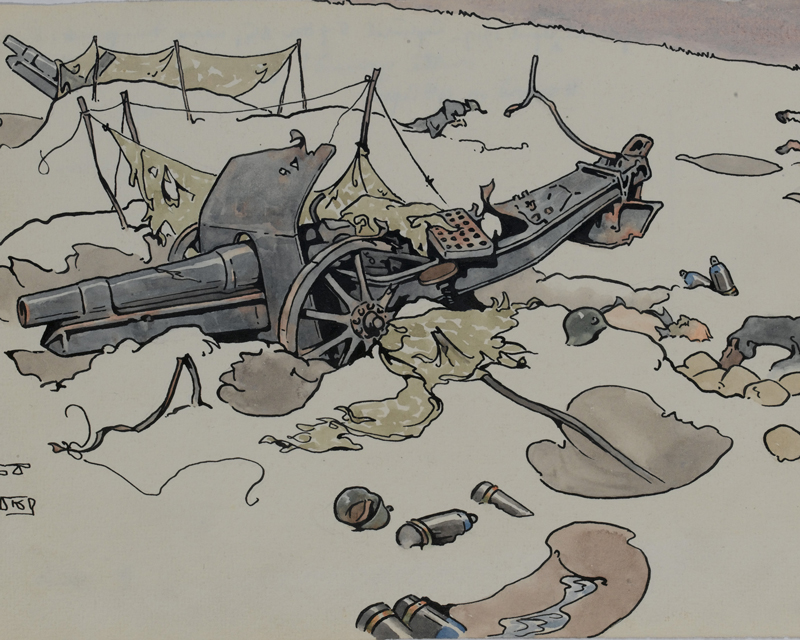
The Battle of Arras began with a barrage on 4 April 1917. The Allies had learnt valuable lessons from their mistakes on the Somme. Specialised artillery units targeted German guns through counter-battery fire. By adopting new methods like sound ranging and flash spotting, they neutralised enemy batteries before the attack.
The British were aware that they could not wipe out the Germans with shells. But their extended bombardment exhausted and demoralised enemy troops by pinning them down inside their dugouts without access to rations or supplies.
Early success
The British guns fell silent on 8 April. At 5.25am the following morning, after a delay to confuse the enemy, they resumed their fire in a hurricane five-minute bombardment. The troops then advanced.
The weather proved an unlikely ally. A sudden squall of heavy snowfall blew towards the German lines, allowing many of the attackers to reach their goals in poor visibilty.
Good progress was made, with elements of the First, Third and Fifth Armies advancing up to 8km (5 miles) in the first two days. The attack also achieved its objective of drawing German troops away from the Aisne in advance of the French assault.