1916: Year of attrition
1916 witnessed two of the longest and most notorious battles of the First World War (1914-18). These two bloody struggles resulted in hundreds of thousands of casualties for both the Allies and the Germans on the Western Front.
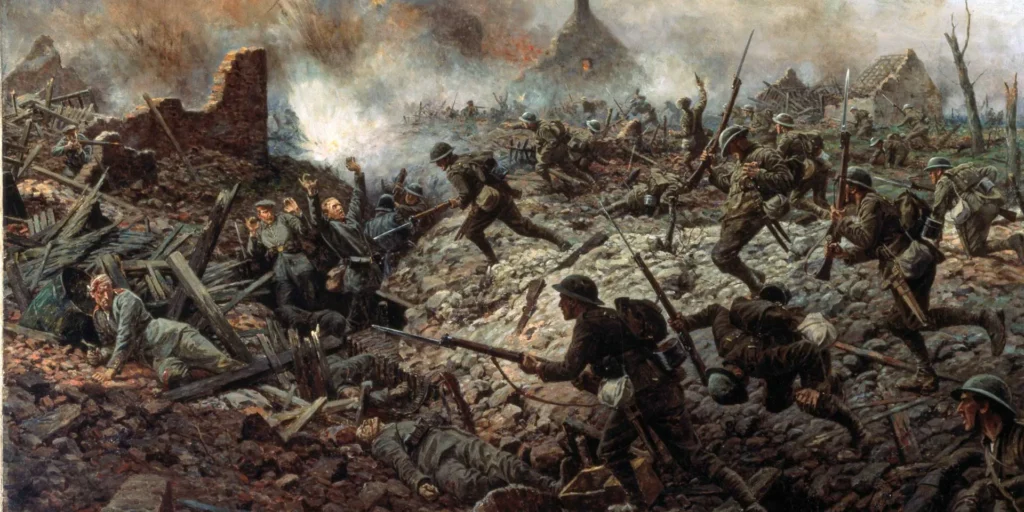
Big Push
The Allied plan for 1916 was for the British to support the French in a major summer attack along a 40km (25-mile) front north and south of the River Somme in northern France.
This would coincide with attacks by Russia and Italy elsewhere. Unfortunately, this plan was interrupted by events to the south-east on the River Meuse.
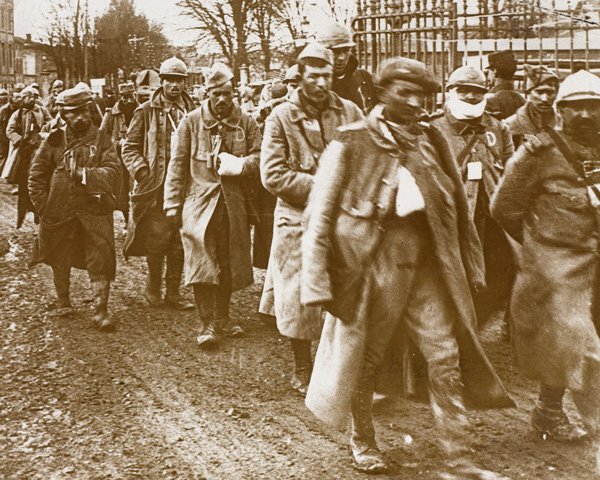
Verdun
Believing that no general breakthrough was possible on the Western Front, the German plan for 1916 opted instead for a limited advance in the Verdun area.
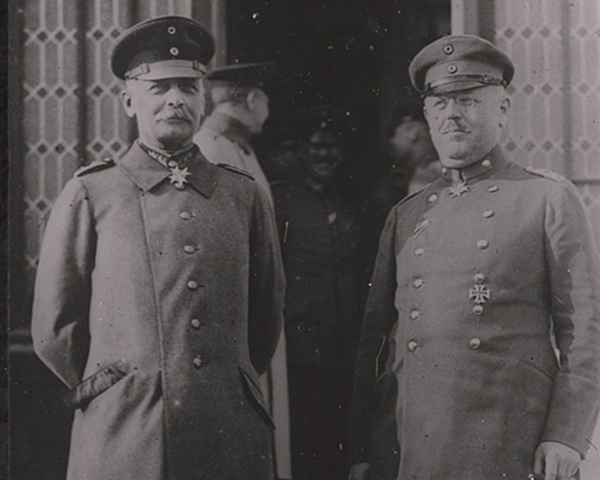
By taking territory important to the French defenders, they hoped to instigate large-scale counter-attacks. These would then fall victim to massed German artillery. The German Chief of Staff, General Erich von Falkenhayn, believed this strategy would ‘bleed the French white’.
Falkenhayn hoped that the operation might also force the Allies to launch ill-prepared counter-offensives elsewhere. The defeat of these might allow a return to mobile warfare or even force the exhausted enemy to negotiate a political settlement.
Mill on the Meuse
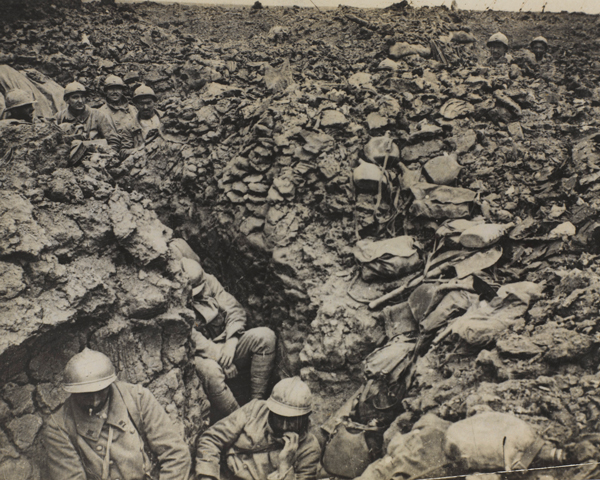
On 21 February 1916, the Germans attacked Verdun in what became the longest battle of the war. Nicknamed ‘the mill on the Meuse’, Verdun lasted for over nine months and was one of the bloodiest engagements in history.
But Falkenhayn had overestimated the Germans’ ability to inflict disproportionate losses. Instead, his men found themselves in a battle of attrition that wore them down as much as the French. The Germans sustained around 330,000 casualties during the battle. French losses exceeded 370,000.