1914: To arms
The outbreak of war in August 1914 was greeted with enthusiasm in Britain. But to meet its commitment to its allies, the nation would have to expand its small professional army and make it ready for war as quickly as possible.
5 minute read
First World War1900sArmy at Home
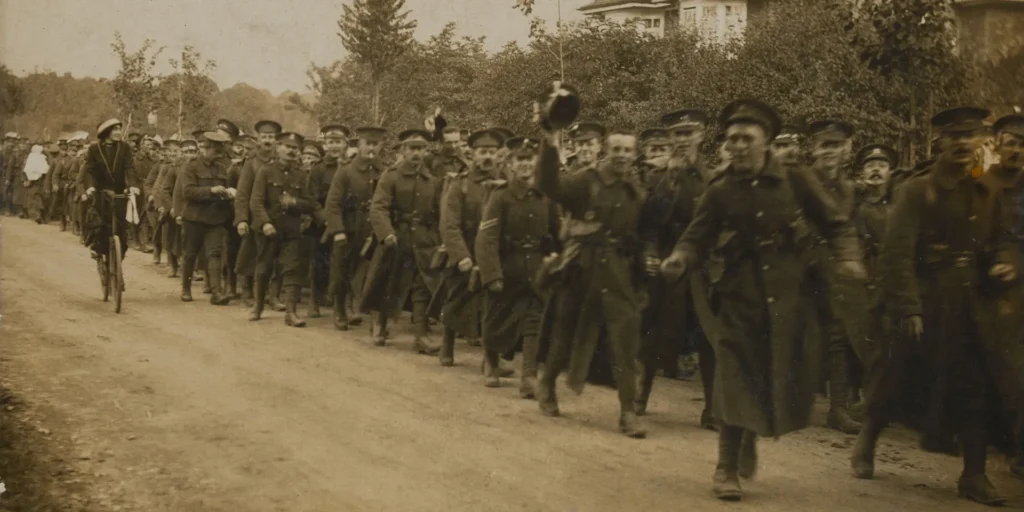
Assassination
On 28 June 1914, Archduke Franz Ferdinand, the heir to the Austro-Hungarian throne, was assassinated in Sarajevo by a Bosnian-Serb. His death sent a shockwave through Europe’s intricate alliance system and saw the major powers ready themselves for war.
Throughout July 1914, the British Army prepared for mobilisation as the crisis deepened. Army leave was cancelled, Reservists were called up and units placed on alert.
War declared
Germany’s war plan was based on carrying out a quick strike against France while Russia (France’s ally) was slowly mobilising. On 1 August 1914, the Germans declared war on Russia. Three days later, they invaded Belgium in order to attack France.
This violation of Belgian neutrality resulted in Britain declaring war on Germany on 4 August and mobilising its armed forces. Eight days later, Britain declared war against Austria-Hungary and then, after a further three months, against the Ottoman Turks.
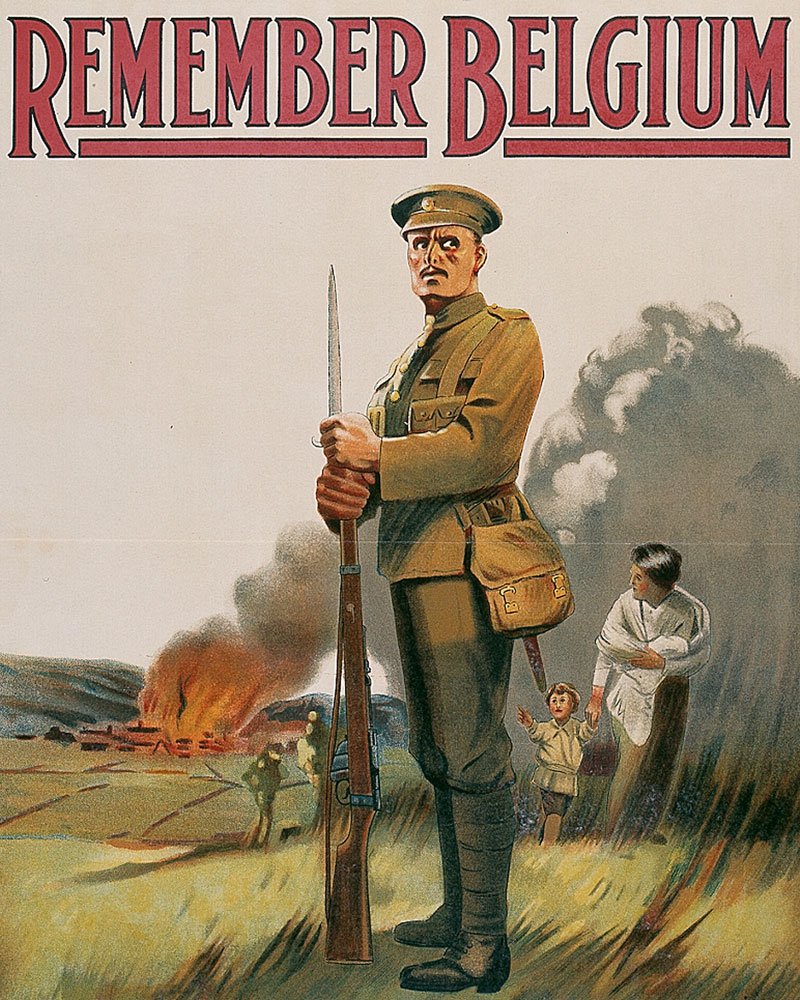
A popular cause
Although many people were shocked and fearful, the outbreak of war was largely greeted with popular acclaim in Britain. The public rallied around what they perceived to be a just cause.
By the end of August, around 30,000 men were enlisting every day. Neither the Second World War (1939-45) nor more recent conflicts have generated anything like this degree of enthusiasm.